Let's overcome the myths of learning German together!
Learning German can be intimidating, and there is a lot of conflicting advice circulating online. Some ideas are myths that slow down learning progress, while other tried and tested methods actually work. Whether you're just starting out or preparing for a German exam, it's important to distinguish facts from myths so you can learn efficiently and confidently.
Myth 1: You have to memorize hundreds of words every day
Fact: Vocabulary grows best when it makes sense and is repeated in context. A few new words a day that are used in sentences or conversations are much more effective than pure memorization. Studies show that 10-15 new vocabulary words a day that are actively used lead to lasting learning success. What is the best way to learn vocabulary? Integrate them directly into realistic conversational situations so that you not only know the words, but can also use them confidently. This method works at all levels, from beginners to advanced C2 learners. When learning German, it is crucial to use vocabulary in authentic contexts - whether shopping, in everyday conversations or when writing short texts.

Myth 2: Adults cannot learn languages as well as children
Fact: Adults have cognitive advantages, such as a better understanding of grammar and learning strategies. While children learn through immersion, adults can recognize patterns, understand rules and consciously apply strategies. Motivation, regular practice and good teaching methods are more important than age. How to learn German successfully as an adult? Through a structured approach that is individually adapted and combines both grammar and practical communication. Many adults successfully reach different language levels, from B1 and B2 to C1 and C2, and achieve their language goals regardless of age. Learning German as an adult means using your own strengths and working specifically on your weaknesses.
Myth 3: Grammar must be perfect before you speak
Fact: Speaking early and allowing for mistakes is one of the fastest ways to make progress. Perfectionism can be paralyzing and often prevents learners from even starting to communicate. How to overcome inhibitions about speaking? By finding a safe environment where mistakes are accepted as part of the learning process. This is particularly important when learning Germanbecause oral competence only develops through active practice. The best methodology combines grammatical understanding with practical application so that you learn to speak correctly and fluently at the same time - whether you are just starting at A1 or already communicating at B2 level.
Myth 4: Language learning requires hours of daily practice
Fact: Short, regular learning units are significantly more effective than long, irregular learning blocks. Science confirms that the brain processes information better when it is presented in manageable portions and with repetition. How to learn German efficiently? Just a few hours a week can bring noticeable progress, especially when supplemented with short daily exercises of 15-20 minutes. For working people, it is important to integrate German learning flexibly into everyday life - be it in the morning at breakfast, during the lunch break or in the evening. Whether you are starting at A2 level or aiming for a demanding C1 level - regular, short learning units are the key to success.
Myth 5: Language learning must be serious and strenuous
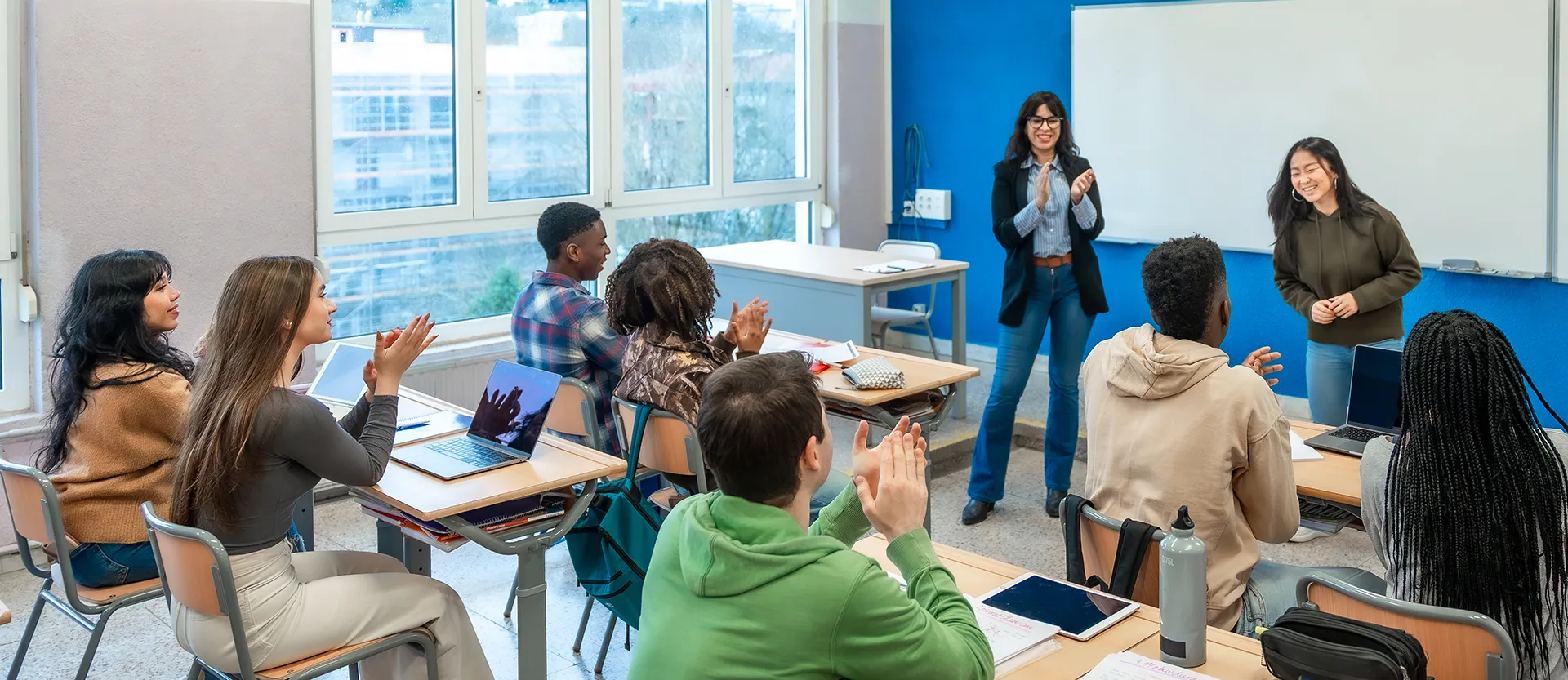
Fact: Learning works best when it's fun and takes place in a relaxed, positive atmosphere. How to learn German with fun? Through interactive methods such as role plays, group discussions, games and authentic everyday situations that make learning an enjoyable experience. Laughter and fun should be part of the learning process - because when you feel comfortable, you learn faster and more sustainably. Whether you are just starting out or are already at B2, C1 or C2 level, a motivating atmosphere will help you to have the confidence to try out new things. Many people report that learning German works best when the learning environment is right and they feel safe to make mistakes.

Myth 6: All learning methods are the same - it's all about discipline
Fact: The quality of the methods, the teaching approaches and the individual support make the decisive difference. How to find the right learning method? Look for proven didactic approaches, the combination of input and output, regular feedback and practical applications. When learning German, the focus should be on quality - not just the time invested. Different formats have different advantages: Intensive one-to-one learning enables rapid progress, while group learning offers social interaction and motivation. A high-quality learning approach at B2 level or higher is an investment in your future that pays off in the long term - as are solid basics at A1, A2 and B1 level.
How we do it at ILS Zürich
At the ILS language school in Zurich, we implement precisely these scientifically based methods. Our highly qualified, native-speaking teachers create a lively and friendly learning environment in which you actively speak and practice your German from day one. We offer German courses Zurich for all levels from A1 to C2, with flexible time models such as evening German courses or Saturday German courses. Our German course Oerlikon is ideally located in terms of transportation. Whether you are looking for group lessons, private German courses or tailor-made German courses for companies - we have the right format for you. Our German course prices are transparent and fair, and you can book a non-binding German course trial lesson at any time to get to know our methods. Learning German in Zurich doesn't have to be tedious - at ILS we make it effective and enjoyable at the same time.
Conclusion
Learning German is often easier than many people think. With the right methods, regular practice and a positive learning environment, anyone can make real progress. Myths should not hold you back - whether you are a beginner at A1 level or want to progress to C2 level. Learning German offers many opportunities, whether for professional purposes, integration or personal development.